🇪🇹 ETHIOPIA COFFEE
Discover the birthplace of coffee. Ethiopian coffees are renowned for their complex, fruity flavors with wine-like acidity and floral aromatics that have captivated coffee lovers for centuries.
About Ethiopia Coffee
Ethiopia is the birthplace of coffee, where the Coffea arabica plant was first discovered in the forests of the Kaffa region. Ethiopian coffee culture dates back over a thousand years, and today the country produces some of the world's most distinctive and sought-after specialty coffees.
Coffee History in Ethiopia
Legend has it that a goat herder named Kaldi discovered coffee in Ethiopia around 850 AD when he noticed his goats became energetic after eating berries from a certain tree. Today, coffee remains central to Ethiopian culture, with traditional coffee ceremonies being an important social ritual.
Flavor Profile
Ethiopian coffees are famous for their bright, fruity characteristics. Expect notes of blueberry, strawberry, and citrus, often accompanied by floral aromatics like jasmine and bergamot. The best Ethiopian coffees have a wine-like quality with complex acidity that makes them perfect for light roasts and pour-over brewing.
Growing Regions
The major coffee-growing regions include Yirgacheffe, Sidamo, Harrar, and Guji. Each region produces distinct flavor profiles - Yirgacheffe is known for its delicate, tea-like qualities, while Harrar offers wild, fruity notes. Altitude plays a crucial role, with the best coffees grown between 1,500 and 2,200 meters.
Not sure where to start? Answer a few questions and we'll match you to a coffee.
Our Ethiopia Coffees
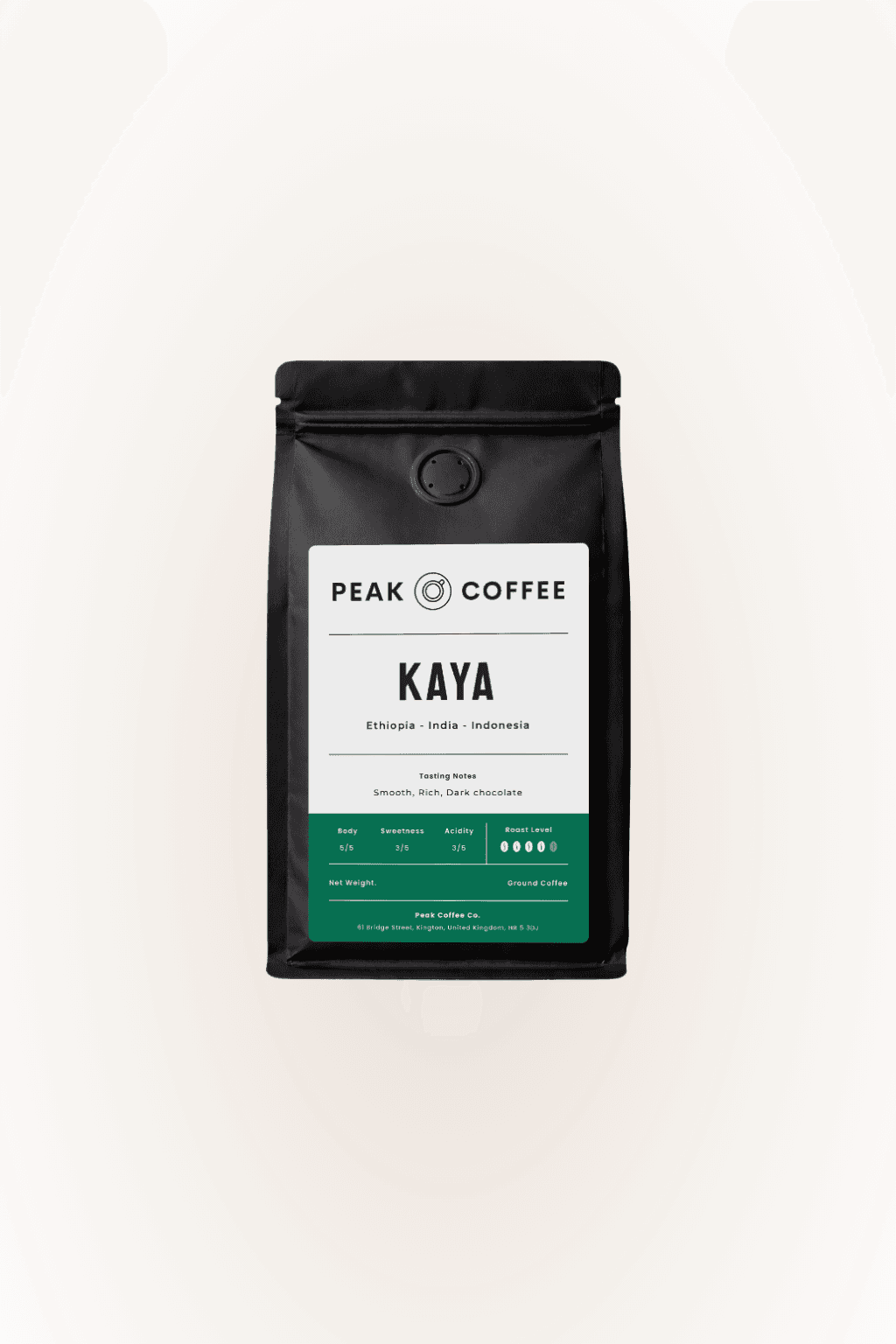
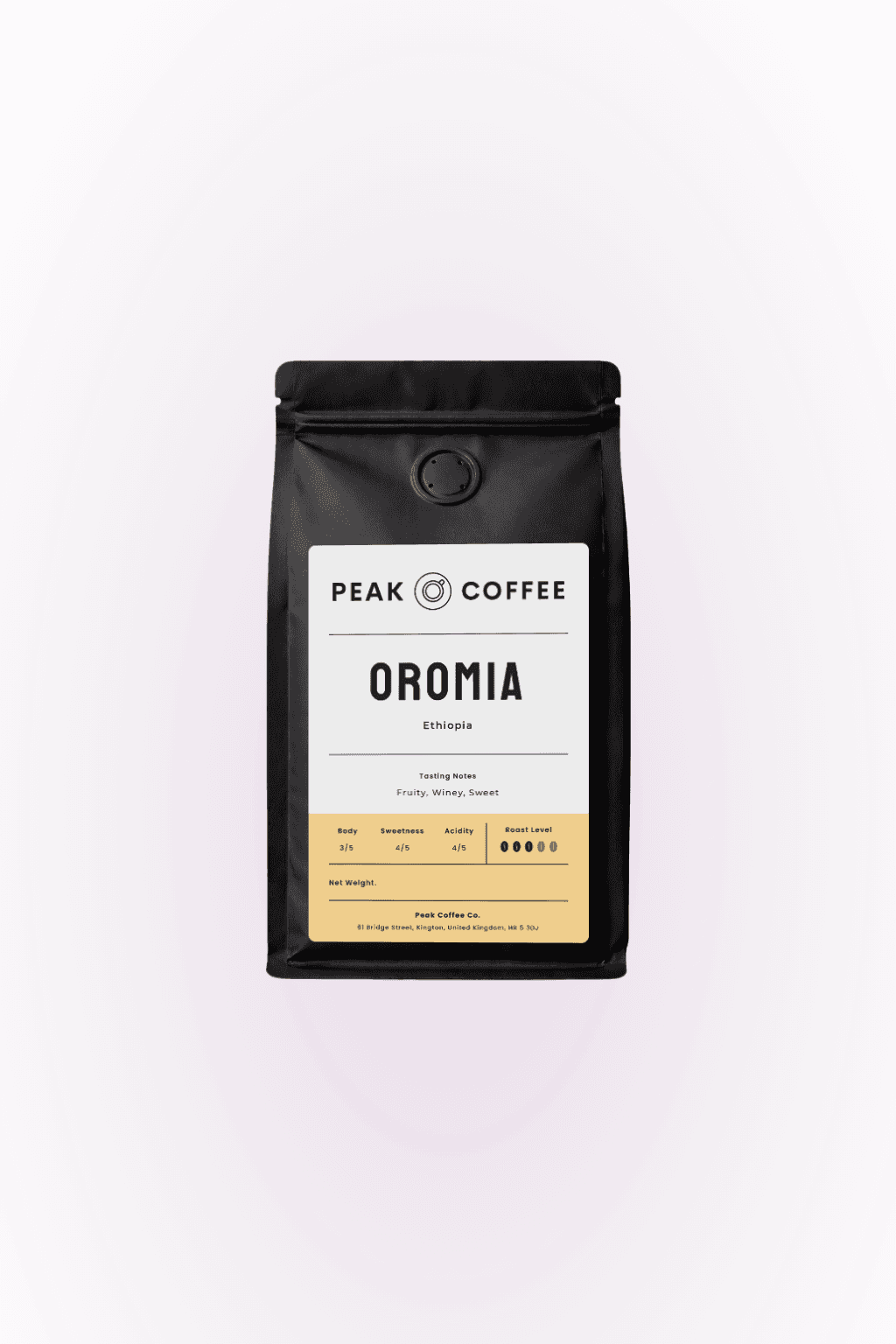
Frequently Asked Questions About Ethiopia Coffee
What makes Ethiopian coffee unique?
Ethiopian coffee is unique because it comes from the birthplace of the Coffea arabica plant. The country's diverse microclimates, heirloom varieties, and traditional processing methods create flavor profiles you won't find anywhere else - particularly the distinctive fruity, wine-like, and floral notes.
What does Ethiopian coffee taste like?
Ethiopian coffee typically features bright, fruity flavors like blueberry, strawberry, and citrus, combined with floral notes of jasmine or bergamot. It often has a wine-like quality with vibrant acidity and a clean, tea-like body. The exact flavor profile varies by region and processing method.
How should I brew Ethiopian coffee?
Ethiopian coffees shine brightest with brewing methods that highlight their nuanced flavors. Pour-over methods (V60, Chemex), AeroPress, and filter coffee makers are excellent choices. A lighter roast preserves the distinctive fruity and floral notes. We recommend a 1:16 coffee-to-water ratio at around 93-96°C.