The Best Coffee Beans for Espresso
Freshly roasted speciality beans, air roasted in the UK for cleaner crema and sweeter shots. Discover why Peak Coffee is the choice for espresso lovers.
What Makes a Great Espresso Bean?
Not all coffee beans are created equal when it comes to espresso. The intense pressure and short extraction time of an espresso machine demands beans with specific characteristics. Understanding what to look for will transform your home espresso from average to exceptional.
Roast level matters. Medium-dark to dark roasts are the sweet spot for espresso. These roast profiles develop the sugars and oils that create that thick, golden crema and rich, full-bodied flavour espresso is known for. Lighter roasts can work but often produce sour, thin shots that lack the body most espresso drinkers expect.
Body is everything. Full-bodied beans with low acidity produce the velvety mouthfeel and syrupy texture that defines a great espresso. Look for tasting notes like chocolate, caramel, nuts, and toffee — these are hallmarks of beans that will shine under pressure.
Freshness fuels crema. Fresh beans contain more CO2, which is essential for producing rich, stable crema. Beans between 7 and 21 days post-roast are in their prime for espresso. This is why our coffee is roasted in small batches and shipped quickly — so your beans arrive at peak freshness.
The Air Roasting Advantage for Espresso
At Peak Coffee, we use air roasting (also known as fluid bed roasting) instead of traditional drum roasting. This makes a real difference for espresso drinkers.
Cleaner crema. Traditional drum roasters char the surface of beans on contact with the hot metal drum, creating surface oils and smoky bitterness. Air roasting suspends beans on a bed of hot air, roasting them evenly from all sides. The result is beans with oils retained internally — producing cleaner, more stable crema in your espresso.
Sweeter shots. Without the harsh, burnt flavours introduced by drum contact, air roasted beans let the natural sweetness of the coffee shine through. You will taste more chocolate, caramel, and fruit — and less ash and smoke.
No chaff, no bitterness. Air roasting naturally removes chaff (the papery skin of the coffee bean) during the roasting process, eliminating another source of bitterness that can taint your espresso.
Our Espresso Coffee Beans
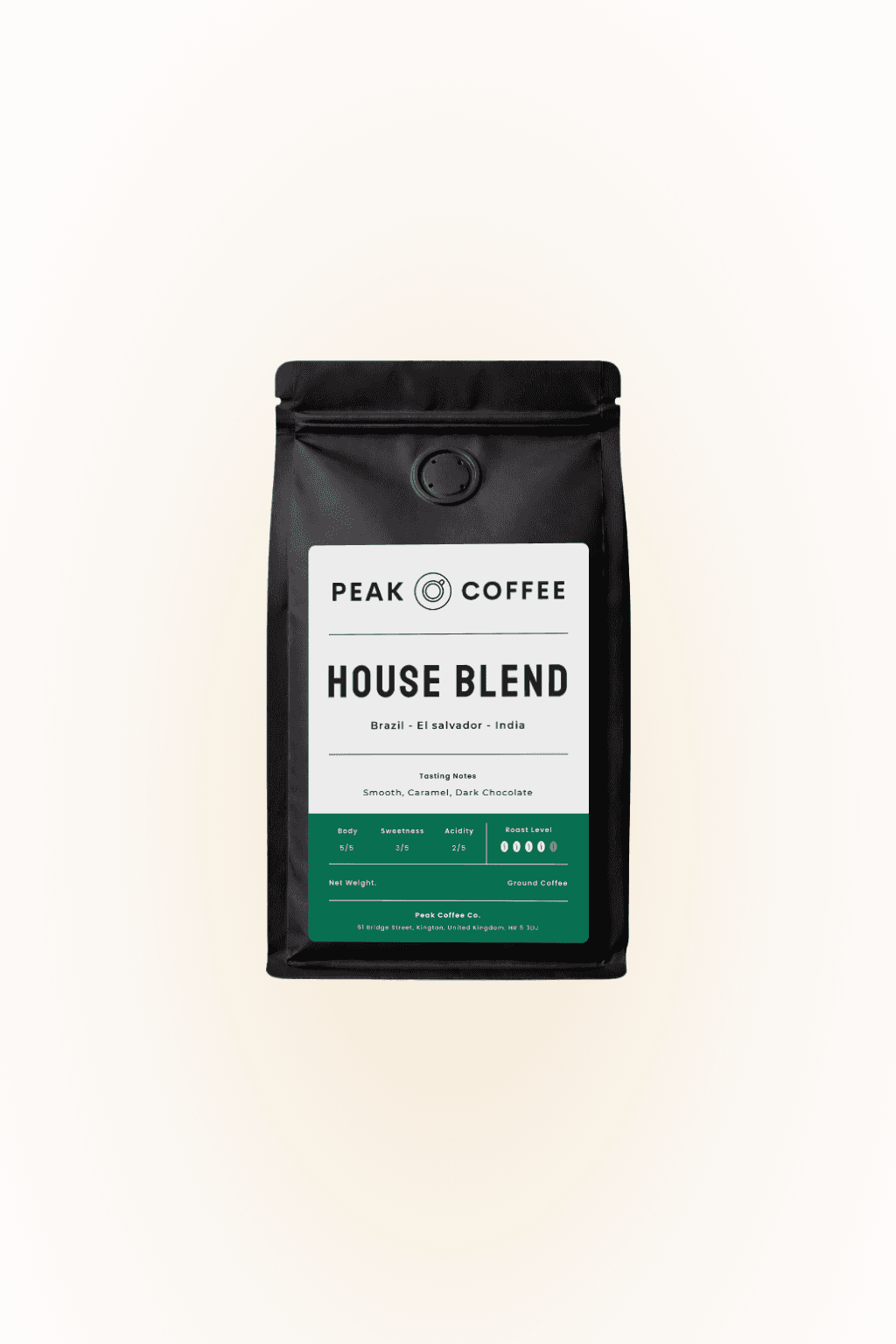
Medium-Dark Roast
House Blend
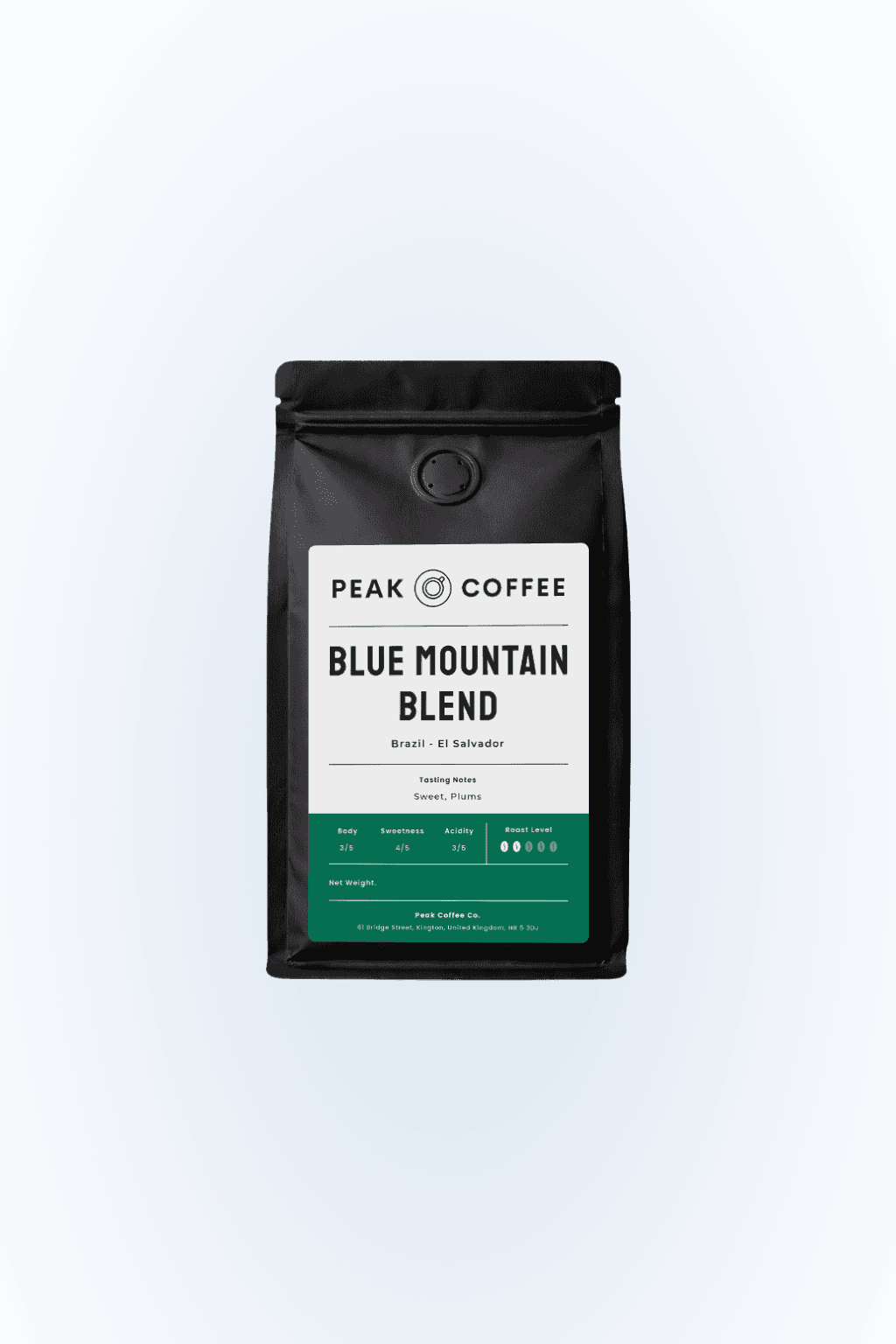
Light Roast
Blue Mountain Blend
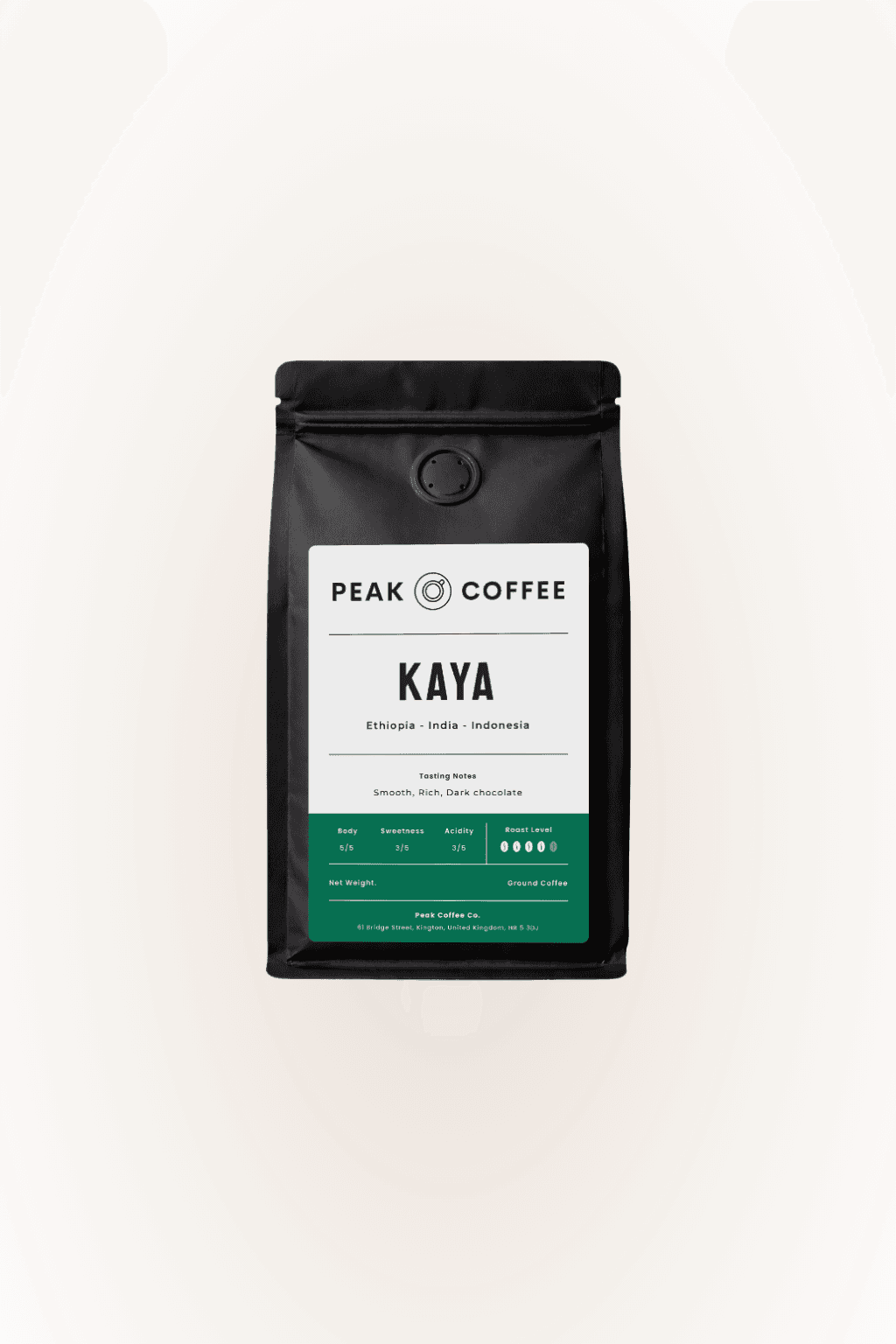
Medium-Dark Roast
Kaya
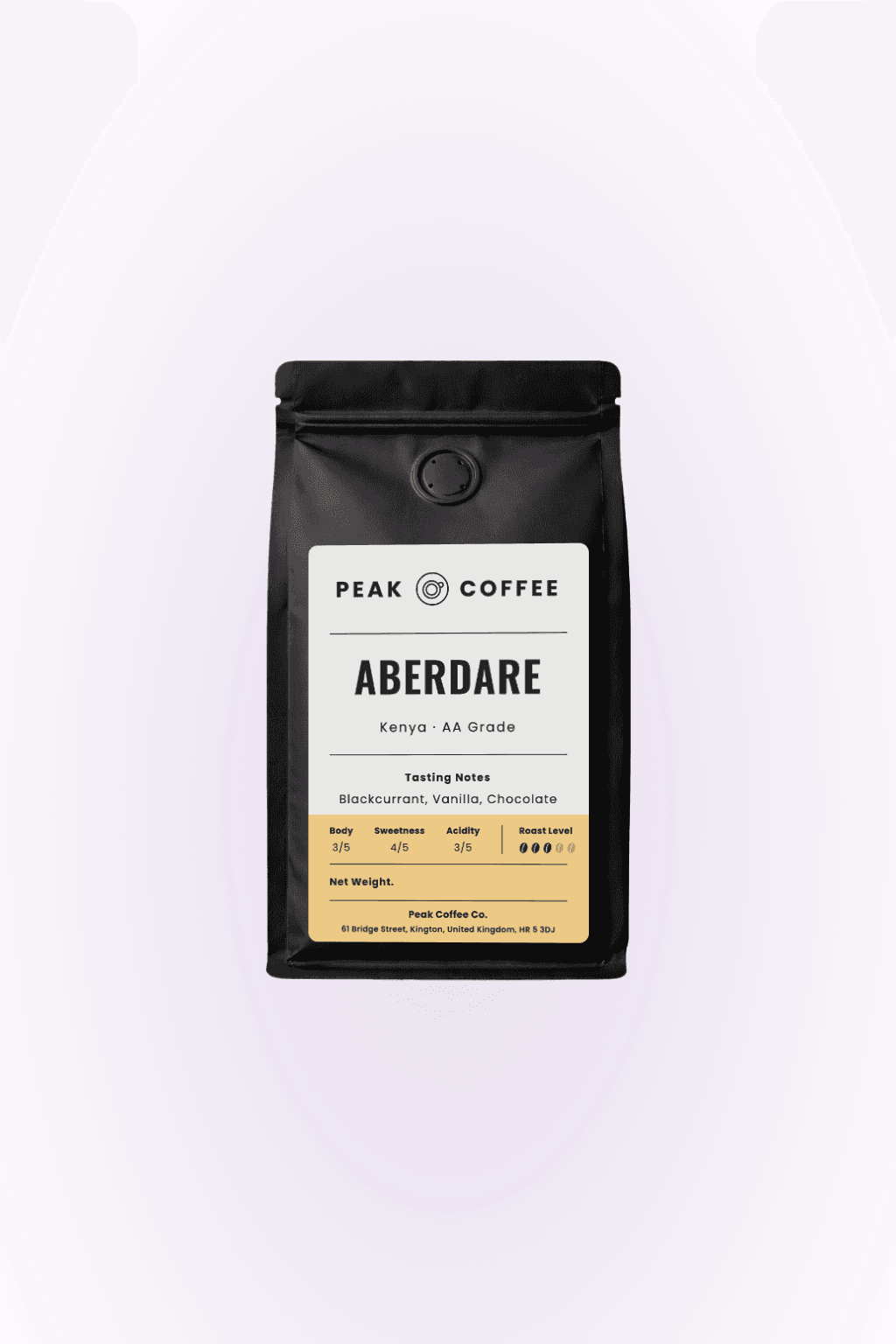
Light-Medium Roast
Aberdare
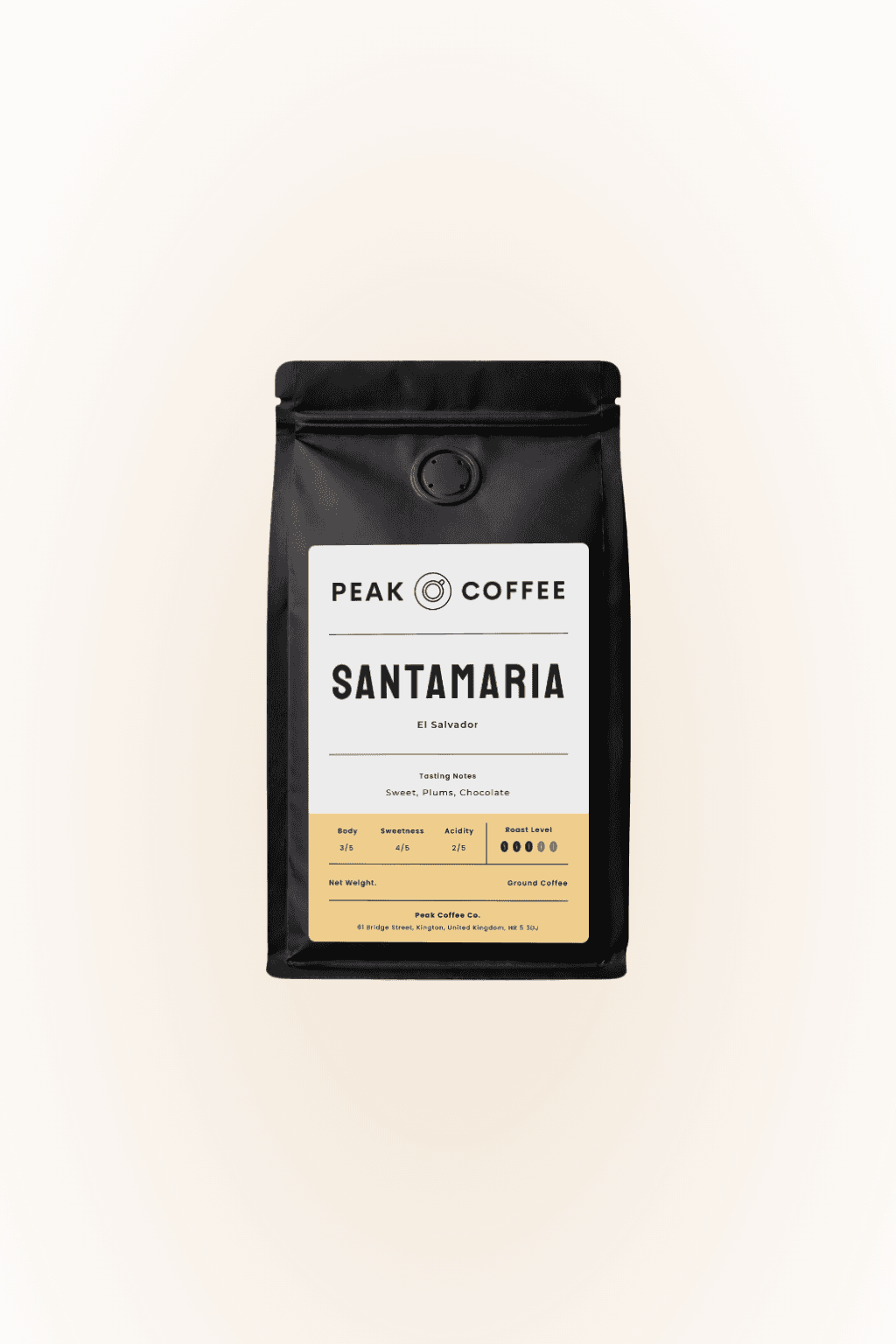
Medium Roast
Santamaria
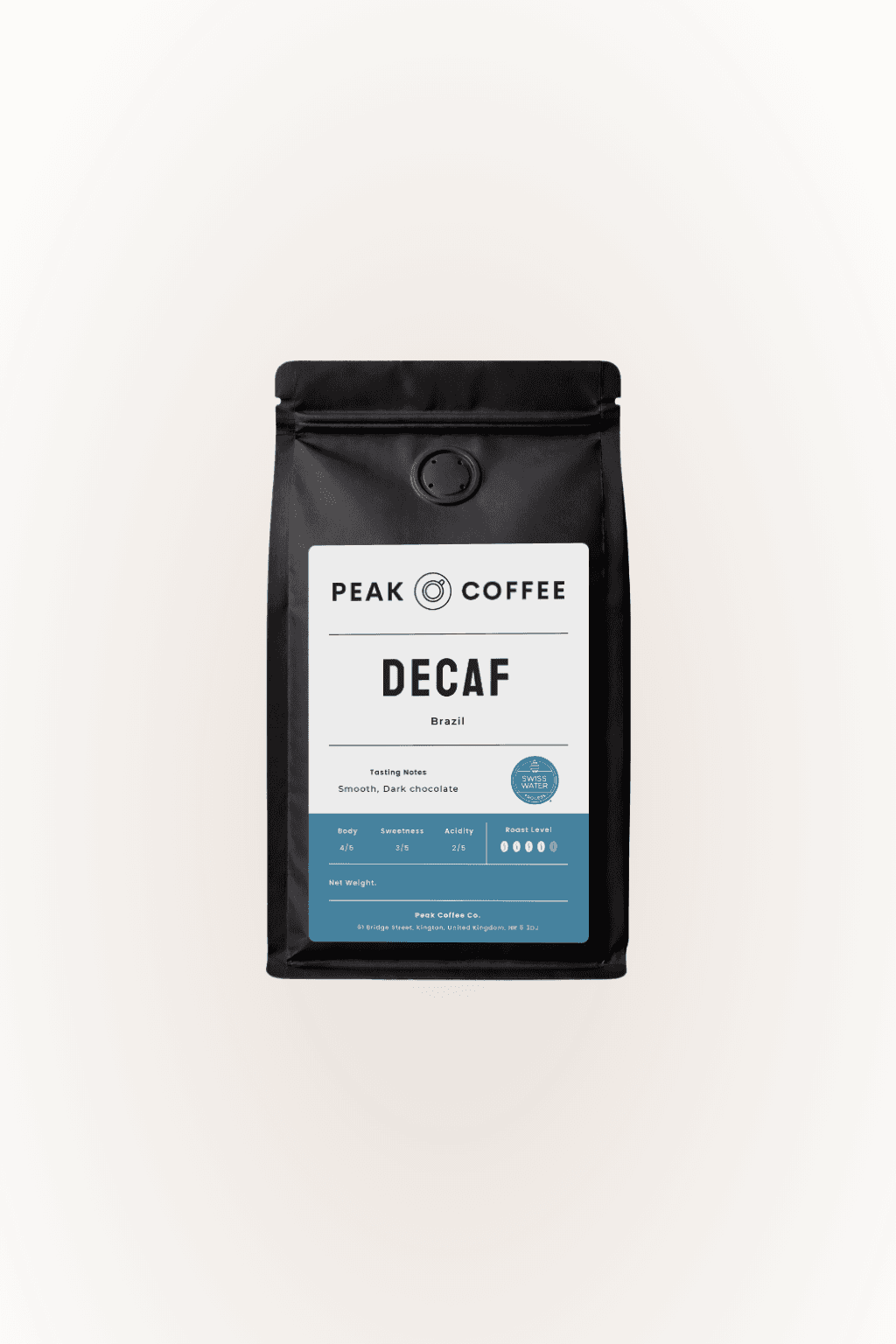
Medium-Dark Roast
Decaf
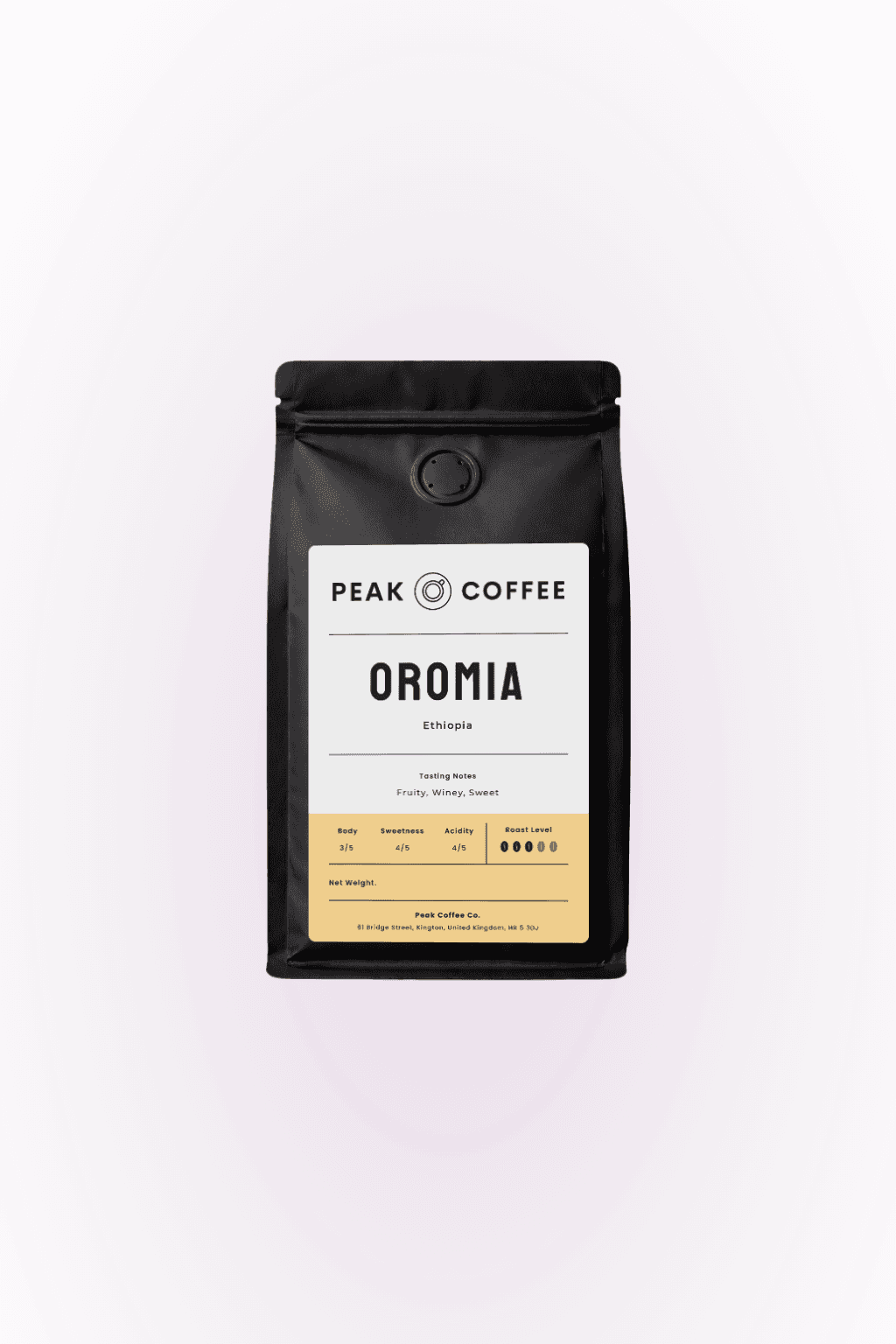
Medium Roast
Oromia
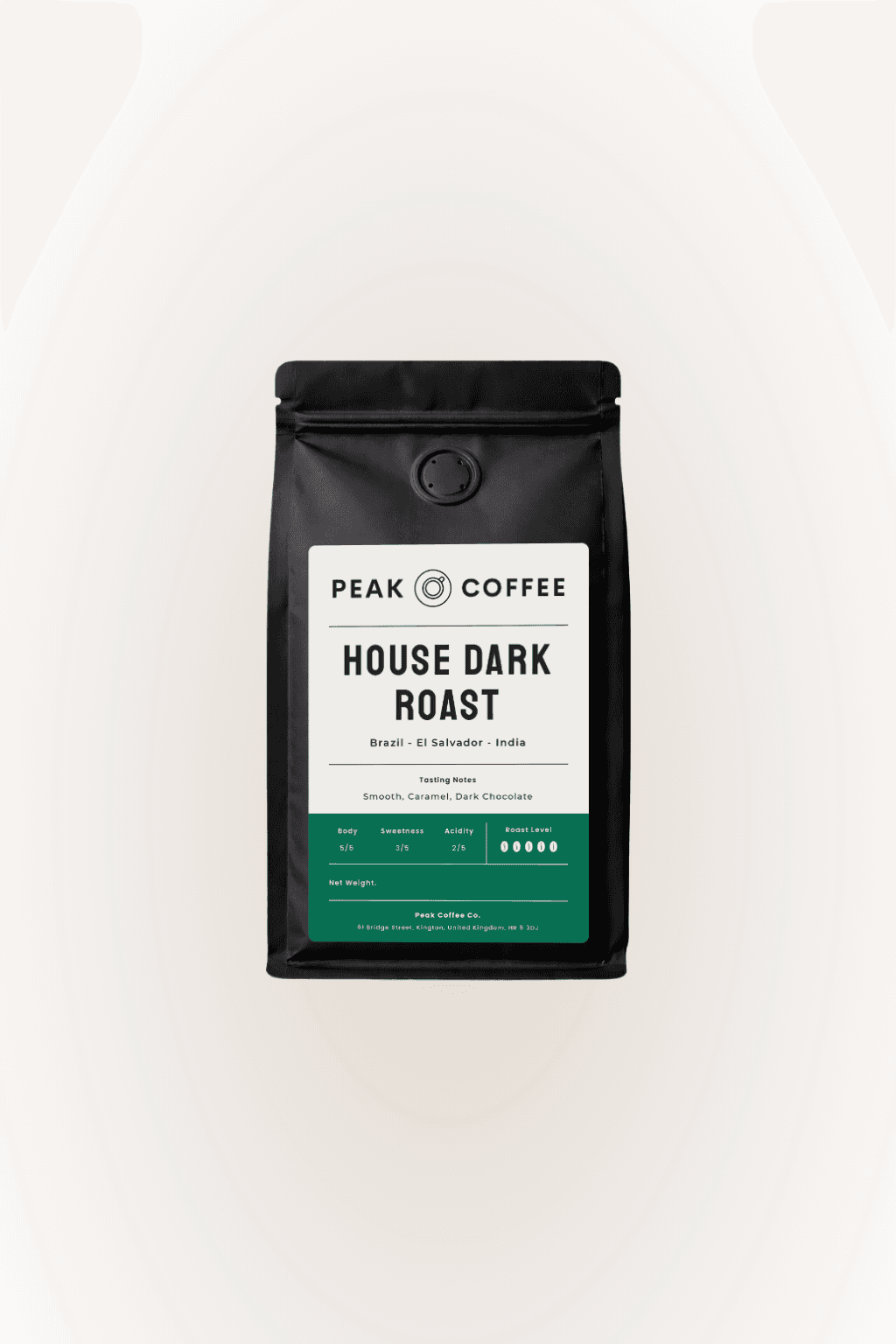
Dark Roast
House Dark Roast
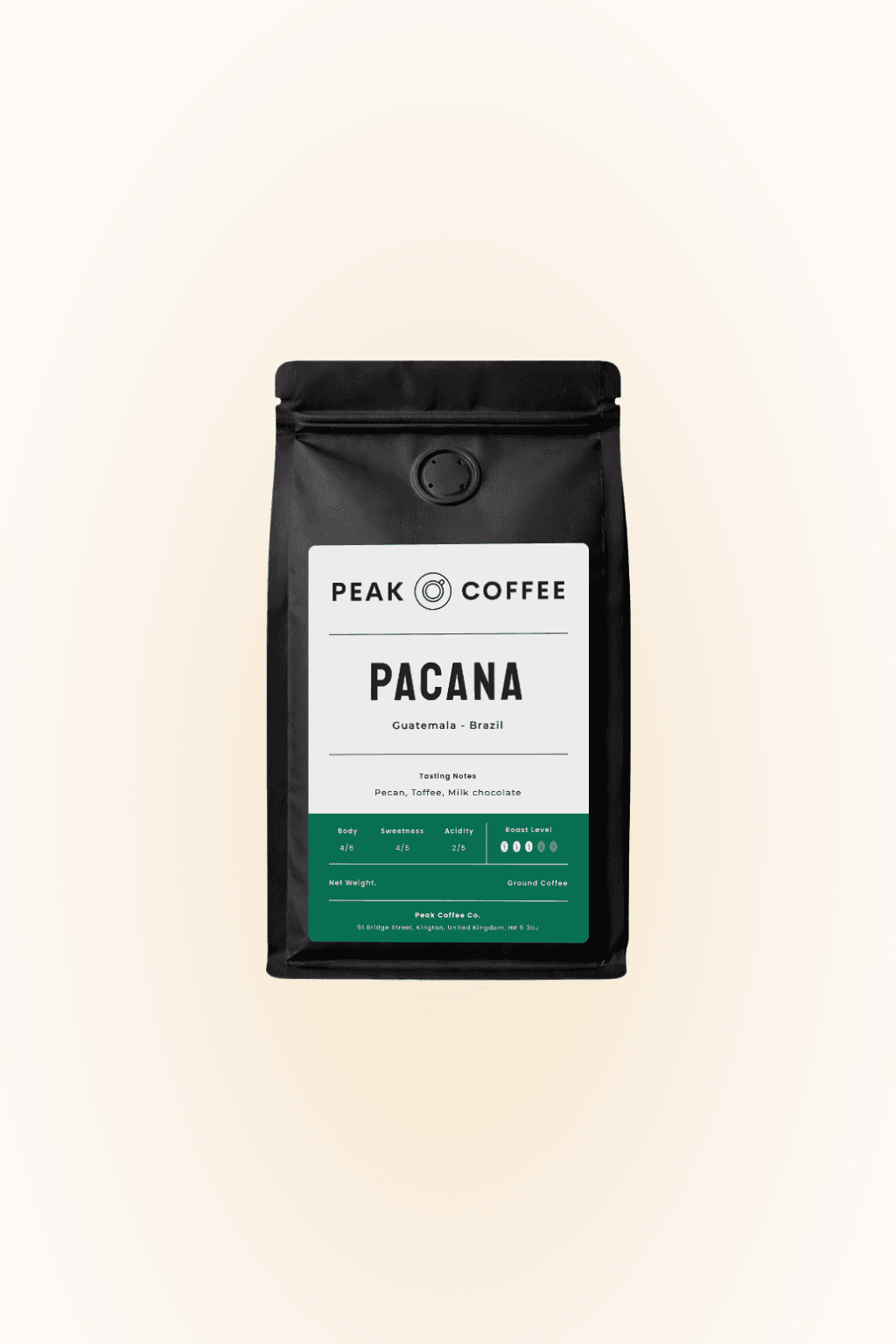
Medium Roast
Pacana
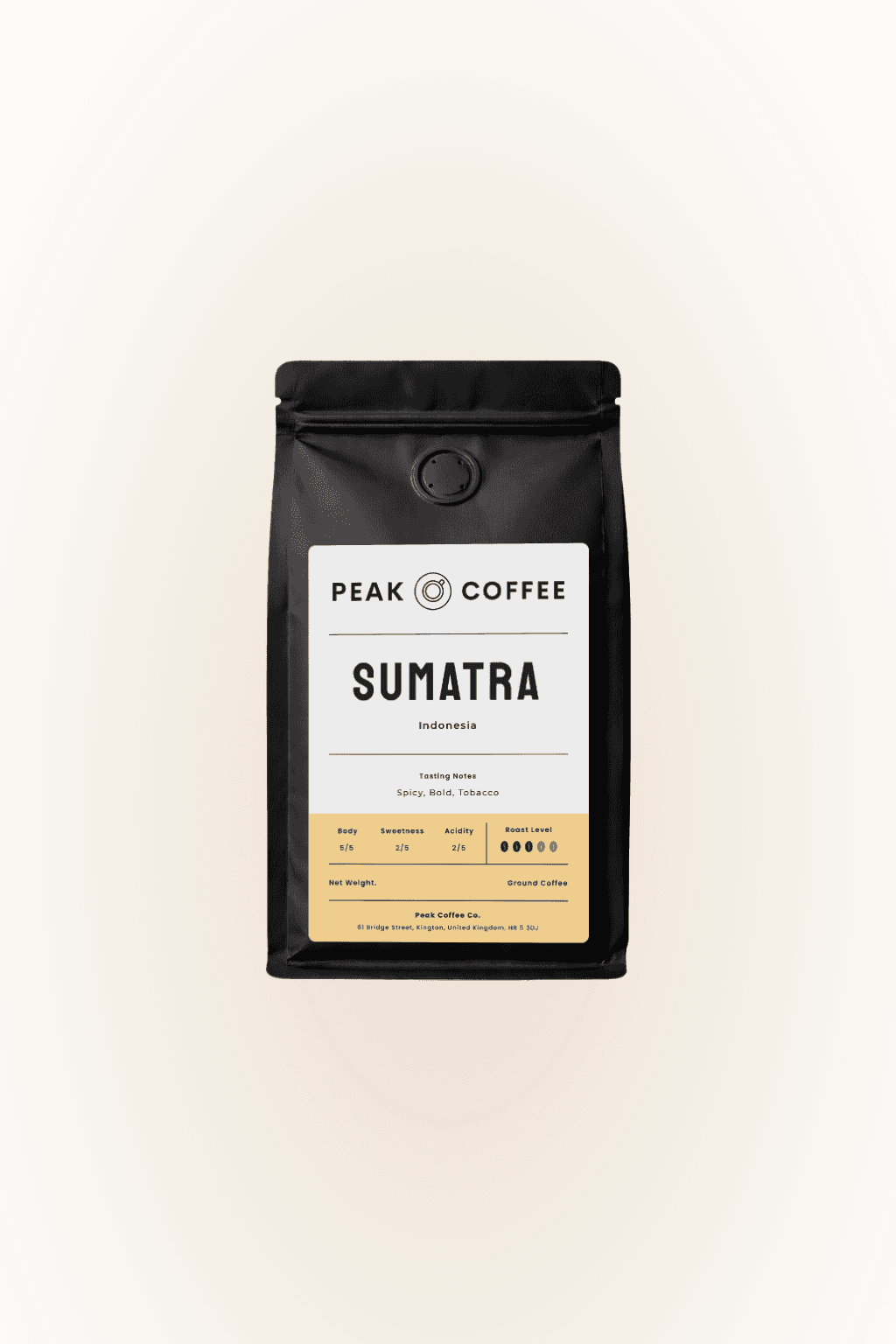
Medium Roast
Sumatra
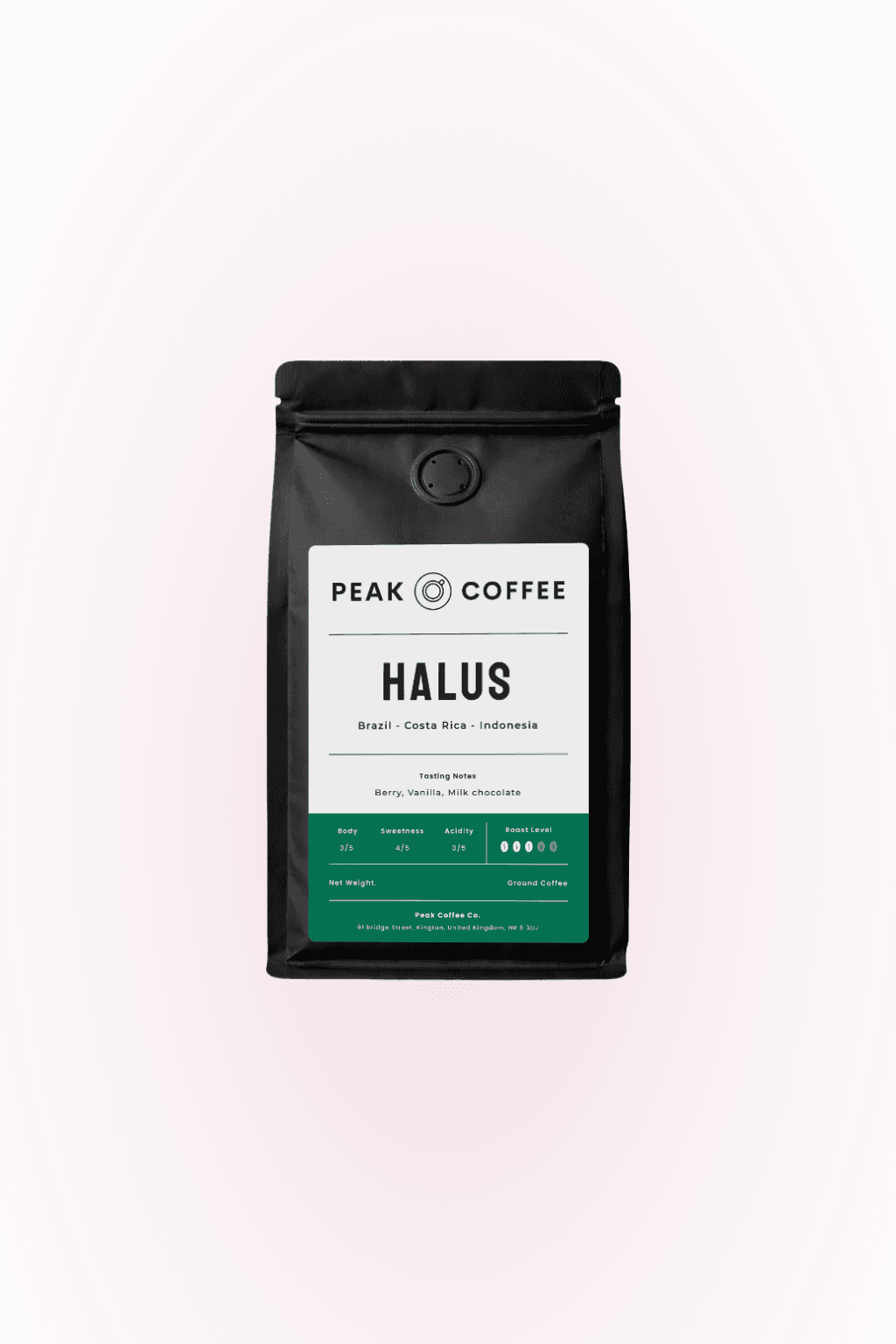
Medium Roast
Halus
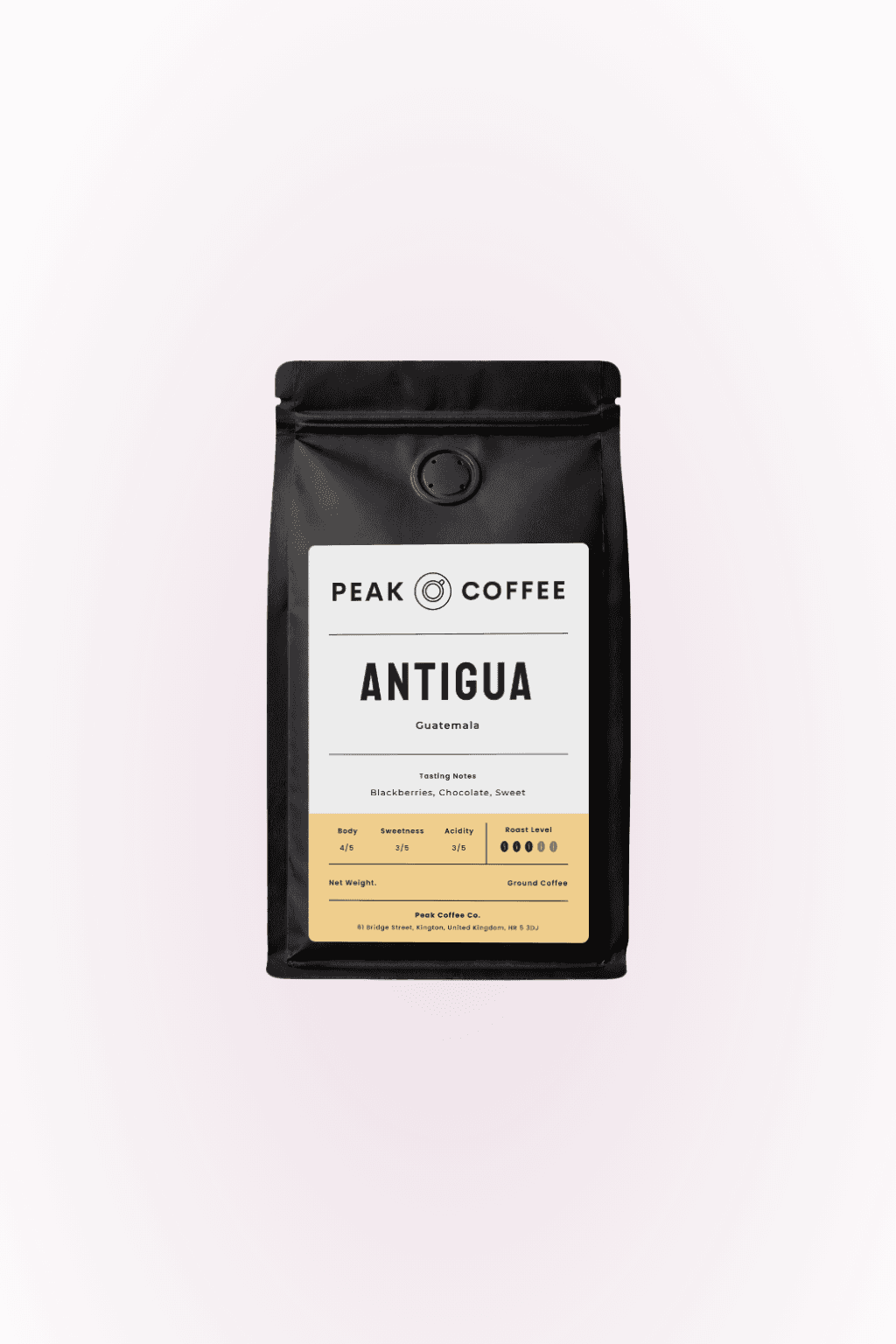
Medium Roast
Antigua
Espresso Brewing Tips
Grind Size
Fine, like table salt. Adjust until your shot extracts in 25-30 seconds for the perfect balance of flavour.
Water Temperature
Aim for 90-96°C. Too hot and you will over-extract (bitter); too cool and the shot will be sour and weak.
Extraction Time
Target 25-30 seconds for a double shot. If it runs too fast, grind finer. Too slow? Grind coarser.
Dose
Use 18-20g of ground coffee for a double shot. Consistency is key — weigh your dose every time for repeatable results.
Frequently Asked Questions About Espresso Beans
Never Run Out of Espresso Beans
Subscribe for 25% off your first 2 deliveries, then 10% off every order, with free shipping and flexible delivery frequency. Choose weekly, fortnightly, monthly, or bimonthly deliveries — and pause or cancel anytime.
Start Your Subscription